 Shopee Cỏ Dại

[Ebook Việt Hoá] Healing houseplants (Michelle Polk) (Cây chữa bệnh trồng trong nhà)
[Ebook Việt Hoá] Healing houseplants (Michelle Polk) (Cây chữa bệnh trồng trong nhà): Chương 02
Th2
- Nguồn: [Ebook Việt Hoá] Healing houseplants (Michelle Polk) (Cây chữa bệnh trồng trong nhà)
- Biên tập: Dũng Cá Xinh
- Dịch: Huyền Nguyễn
English
It may come as no surprise that I love plants. They are beautiful, mysterious, glamorous, and miraculous living things that not only look good but heal! These tiny healers can make someone feel better within moments of being in their presence. But let’s get real—the majority of a plant’s ability to heal comes from ingesting them or using them directly on the body. They can only do so much standing in the corner of your living room for your midcentury modern condo decor.
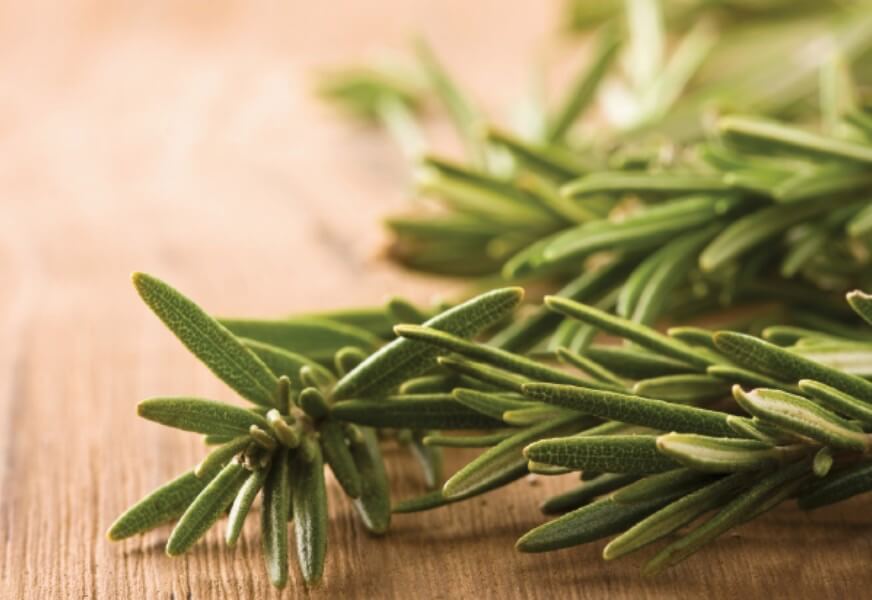 Herbal medicine has been increasing in popularity over the past several years with more and more people understanding the importance of taking control of their health and using natural methods for preventative care. That being said, herbal medicine has been around for over five thousand years, with every culture showcasing some sort of herbal/folk medicinal knowledge—this isn’t just some hipster fad. Herbs have been shown to have incredible effects on the body, including anti-inflammatory, antibacterial, antiviral, antifungal, cancer preventing, pain reducing, gut enhancing, and other healing properties. When part of a daily routine, herbs can provide amazing benefits to your mind and body.
As an herbalist, I get very excited about herbs. Yes, they are tasty in your favorite slow cooker recipe, and they are beautiful garnishes to your coq au vin. But as an herbalist I’m trained to look deeper into your basil plant, rosemary sprig, and even the dandelion growing incessantly over your nearest soccer field. And before you spray your so-called weeds with Monsanto’s next poisonous products, why not take a little time to understand how amazing your mint truly is. Hint: mint isn’t just for mojitos anymore!
A Very Brief History of Herbal Medicine
Herbal medicine has been around since before recorded history, with Chinese, Babylonian, Native American, Indian, and Egyptian cultures swigging down gross herbal, dirt-tasting concoctions as early as 3000 BC. And it was the monks during the medieval ages who carried the tradition of herbalism, growing medicinal herbs and serving as the medical schools of their time.
Chinese herbalism is the third-oldest form of medicine, only following the Egyptian and Babylonian medical traditions. The discovery of the oldest known list of medicinal herbs can be attributed to the legendary emperor Shen Nung in what is called the Shennong Ben Cao Jing (ca. 3000 BC). Named the father of Chinese agriculture and leader of the ancient clan, he literally tasted hundreds, if not thousands, of herbs to test the medicinal properties of each plant and to determine which were safe and which were poisonous. Talk about being a team player … there’s no I in herb.
This rich tradition of herbalism was created from the detailed observation of nature with trial and error, together leading to thousands of years of case studies and proven remedies.
Be it Western or Eastern herbalism, the ancient Chinese, Indians, Egyptians, Babylonians, or Native Americans, all traditions were passed down from generation to generation, healer to apprentice, professor to student.
There are hundreds of thousands of species of plants known today, with more being discovered every year. Countless unknown plants exist in the world unbeknownst to us, and with healing properties yet to be discovered. Some herbalists go as far as to believe for every human illness that exists, so too does a plant which is able to cure it.”
And while hundreds of years ago humans regularly ingested more than one hundred species of herbs to keep them healthy, today it’s down to ten to twenty. We are missing out on the integral elements of nutrition and health-promoting parts of our diet and lifestyle. No wonder there’s an epidemic of chronic illness—our bodies don’t have the necessary tools to work properly. How many of us make sure our cars get the right fuel, oil, and care in order to make sure they run smoothly for as long as possible. For many of us, we expect our bodies to run without a hitch, but without the same maintenance, care, and proper fuel.
Thanks Aspirin … Er, Willow Bark!
Herbs come in all shapes, sizes, pronunciations, aromas, and more likely than not, gross taste. You’ve probably heard of mint, lavender, rosemary, and even dandelions, but have you ever heard of rhodiola, turkey tail, reishi, or chaste tree? What about feverfew, schisandra, wormwood, or mugwort? All of these unique, fake-sounding names may remind you of Harry Potter but are actually real, immensely healing, powerful herbal plants that can be used for a variety of aches, pains, illnesses, and more. In fact, many of your favorite over-the-counter remedies originally came from plants and herbs; I’m talking about you, aspirin!
The pharmaceutical industry can thank nature for many of their newest blockbuster drugs or miracle remedies. In the past twenty-five years, around 70 percent of new drugs came from Mother Nature. Despite all our attempts for synthetic medicines and our need to create superior products, Mother Nature always has the most sophisticated answers for our health ills.
One of humankind’s favorite over-the-counter medicines exists because of the willow tree. You’ve probably popped a few for your hangover, headache, or daily regimen to prevent a heart attack, not even realizing that a pill which makes your hangover tolerable wouldn’t be around if someone a long time ago hadn’t decided to eat bark. Recent research has shown that aspirin can not only prevent heart attacks and strokes, but a twenty-year study found that it also reduced the risk of cancer by at least 20 percent.12 No, this didn’t just all of a sudden appear from some lab created by a mad scientist in a white coat; it actually has been used for thousands of years by various cultures, but in its whole-plant form.
The use of aspirin’s active ingredient dates back to the ancient Egyptians, who used the plant for aches and pains, and the great Greek physician Hippocrates stated that willow bark helped relieve fevers and pain. But it wasn’t until the 1800s that researchers were able to identify the active ingredient in willow bark, salicylic acid. It was a chemist in the 1890s who used the form of aspirin we know today. Felix Hoffman worked for Bayer in Germany and used aspirin to help with his father’s rheumatism. It was in 1899 that Bayer started distributing a powder with acetylsalicylic acid to doctors to give to their patients. It wasn’t long after that it started becoming available over the counter.
But aspirin isn’t the only drug that can thank a plant for its existence. For example, Taxol, one of the strongest cancer drugs on the market, was derived from the bark of the Pacific yew tree, and the groundbreaking antibiotic penicillin was derived from penicillium mold. Then there’s the periwinkle plant from Madagascar, which increased the rate of remission for childhood leukemia up to 95 percent by 1997 compared to the 10 percent remission rate in 1960. This plant alone has saved over 100,000 lives. There’s also the malaria drug artemisinin, made from the artemisia plant, which won Chinese scientist Youyou Tu the 2015 Nobel Prize in Physiology or Medicine.
Youyou Tu discovered artemisia as a means to help cure malaria by reading ancient Chinese medical texts. Before her discovery, over 240,000 compounds around the world had been tested, but nothing seemed to work. It wasn’t until she read the old text originating from around 400 AD, where she discovered sweet wormwood was an option to treat the disease. Her team tested extracts of the herb to no effect, that is until she followed the original ancient text’s exact recipe—heating the extract without allowing it to reach boiling point. Her diligence and forethought saved millions of lives. And by taking ancient wisdom to the future, she was able to harness what humans already knew thousands of years ago and convert it into modern medicine.
How Nature Provided Us with Antibiotics and How It Will Save Us from Antibiotics
The newest terrifying topic on everyone’s minds is antibiotic resistance. Doomsday seems closer and closer as more and more researchers are proclaiming we are almost to the dead zone when it comes to antibiotic use. Zombies aren’t going to kill us, simple infections will.
Imagine cutting yourself while attempting to break open an unusually stubborn package of Hot Pockets with your sharpest knife, only to find that your cut needs stitches. You go to the hospital and are terrified that you have an infection—not because of the costs, but because antibiotics no longer work. Any infection could equal death. Yes, this might sound dramatic, but this is the path we are headed towards, and no one wants to die from Hot Pockets.
Since the discovery of penicillin in 1928 from the penicillium mold, we’ve thrived and basked in the glorious wonders of antibiotics. For nearly one hundred years we haven’t had to worry about infections such as rheumatic fever, pneumonia, or gonorrhea. But, oops, in 2016 the World Health Organization said that gonorrhea might soon be untreatable. And this is just one of the many infections and diseases that will become resistant to treatment. Every year, 63,000 patients in the US and 25,000 patients in the European Union die from hospital-acquired, antibiotic-resistant infections, and this number is only increasing. The global review on antimicrobial resistance stated that if we are unable to find an alternative to tackle these resistant infections, ten million people will die by 2050 due to antibiotic-resistant infections.
But how did this happen? It’s a simple case of overuse and denial. Oh yeah, we are great at denial. Alexander Fleming, the man who discovered penicillin, warned us of this depressing fate knowing all too well the effects of overusing this magical drug way back in the 1930s. The reason is simple. Bacteria goes through the same process of natural selection as humans. Those that survive adapt and multiply, and thus their genes are the ones passed down through generations.
Every time you take an antibiotic, not only are the microbes which caused your illness killed off, but so are the good ones which protect your body from infection. But not every single microbe is actually killed, and these bacteria are known as the resistant bacteria. Without the protection of your security team (good bacteria) the resistant bacteria are able to thrive and proliferate, transferring their drug resistance to other microbes causing more problems and damage.
Every time someone takes an antibiotic, resistant bacteria are growing in numbers and thriving. And the more a whole population of people take antibiotics, the quicker the bacteria are able to mutate—not to mention you are also increasingly killing off your good microbes which can lead to other problems such as IBS, depression, and a host of chronic illnesses. But that’s for another book.
Our perpetual need to throw antibiotics at any infection or illness will create one of the biggest health crises in our time. For example, chances are that the sore throat you have is NOT strep. However, a whopping 70 percent of people who go to the doctor for a sore throat will receive antibiotics even though only 20 percent of them actually have the Streptococcus pyogenes bacteria. That’s right, 80 percent of people who get antibiotics for their sore throat don’t need antibiotics. This is one of the reasons why we are in a crisis: overuse and lack of oversight.
Strep throat is not the only reason we’re experiencing antibiotic resistance; our overuse of antibacterial soaps, the need to bathe ourselves in hand sanitizers, the desire to shower several times a day, the antibiotics fed to our livestock to keep them fat and juicy, and our general distrust of dirt have allowed bacteria to mutate and proliferate, creating bigger, badder strains of bacteria and resistant illness.
Don’t Panic, Plants May Save Your Life
With the imminent antibiotic crisis threatening our way of life, researchers have begun to realize that maybe our way out of this mess isn’t inside a lab configuring synthetic formulations. Perhaps the way to dig ourselves out of this bacterial hole is to go the natural route. In fact, that is exactly what some researchers are doing. The future of Western medicine may in fact be ancient herbal medicine.
A number of researchers, including Dr. Cassandra Quave, an ethnobotanist from Emory University, are looking to use the knowledge of plants from ancient cultures to derive new medicines for our current needs. Traditional plant-based medicine is a treasure trove of knowledge and experience, with thousands of years of usage, trial and error, and recorded successes. However, looking to herbal medicines and ancient traditions wasn’t always the fashionable choice.
Since the 1970s, the pharmaceutical industry was more interested in synthetic drug development, hoping this would be the future of medicine. It’s also easier to formulate something in a lab than decipher nature’s sophisticated and incredibly complex chemistry. In the words of Simon Gibbons, a medicinal phytochemist at University College London, “Nature is a super chemist. It’s been doing this a lot longer than we or even mammals have been around. Plants have been doing this for around 400 million years.” Talk about intimidating. Believe it or not, the immensely complex chemistry involved in keeping a plant alive has the potential to be potent medicine for humans. Because plants are literally grounded, they are unable to run or attack their predators. Instead, they create complex chemistry to poison their competition. One plant’s poison is another man’s potent medicine.
It’s easy to forget that plants were our primary source of medicine for thousands of years. Currently, we’ve become so far removed from nature that you’re called a hippie, woo-woo, voodoo-loving quack for trying to cure your headache with herbs. If it isn’t in a pill, you must be crazy! And while a good portion of our modern medicines are derived from plants, only a small fraction of the estimated fifty thousand medicinal herbs and plants used in traditional medicines have been studied. That’s a lot of wasted potential, which doesn’t include the immense number of plants, herbs, and species not even discovered in the rainforests and other natural landscapes.
Recently, Dr. Cassandra Quave discovered that healers in southern Italy are using elmleaf blackberry to heal boils and abscesses. When sent to the lab, these berries were found to help prevent the staph bacteria found in abscesses from forming biofilms, which allows bacteria like methicillin-resistant Staphlococcus aureus to attach themselves onto medical devices and living tissue—which would allow these microbes to communicate and mutate. If we can keep the bacteria from evolving and mutating, we can make them more vulnerable and thus more treatable. This is why natural medicines are so important and unique. While humans are looking to massacre these antibiotic-resistant strains, nature is able to help us look in different directions, solving the puzzle from another point of view. The berries may not have killed the staph, but they kept it from spreading, which is exactly what we need in order to stop the future resistance. The term balance fits in nicely here. Nature loves balance.
But there are still plenty of hurdles to overcome when it comes to using nature as a remedy. Many pharmaceuticals aren’t interested in or are just plain apathetic about studying plant medicines due to their immense complexity and their less-than-stunning profit potential. If you make a pharmaceutical drug derived from a traditional herbal remedy, a percentage of the proceeds must go to the people who originally created the herbal formula, meaning that individual nations have sovereign rights over their medical traditions. So while there is incredible potential when it comes to plant medicines, the current apathy towards these potential lifesavers will have to change in order for us to reap the full benefits.
Killing the Rainforest Is Killing Our Medicine Cabinet
With all the potential medical benefits from the vast biodiversity on earth, we must also talk about how climate change and deforestation are affecting our quest for new medicines. The deforestation of tropical forests, rainforests, the Amazon, and more is contributing to the eradication of possible life-saving medicines. You can’t deny yourself out of this crisis.
For example, the island of Madagascar gave us the life-saving periwinkle plant, which we talked about earlier for its ability to increase remission rates of childhood leukemia from only 10 percent in the 1960s to over 95 percent today. However, this miracle plant is under threat. Madagascar houses an incredible array of biodiversity, some 250,000 species, of which 75 percent are found nowhere else on earth! However, 90 percent of the Madagascan forests have been decimated and their rich and complex soils completely washed away. It’s hard to know how many potentially life-saving, groundbreaking, medical-changing, Nobel Prize–winning remedies are completely gone.
Even worse, we have no idea what we are losing, or exactly how much we are losing. However, we can approximate the extinction rate in 2100 to be around 50 percent of all the rainforest animals, flora, and fauna. Scientists have only studied around 1 percent of the plants found in the rainforests, but over 140 of them are becoming extinct every single day. If this doesn’t scare you, I’ll have what you’re drinking.
Latin America is losing over 4.3 million hectares of rainforest per year. Indonesia is seeing over 80 percent loss of their rainforests, with over 28 million hectares being destroyed per year. But it just doesn’t stop: 70 percent of the rainforests in Laos, Cambodia, and Vietnam are being torn down, and it’s estimated that Indonesia will lose all its rainforests between 2020 and 2025. Indonesia had one of the oldest and most diverse rainforests, which means we potentially lost some of the most exciting and effective medicine cabinets in the world.
And here’s the kicker—we are seeing a rise in in new diseases, especially infectious, due to the increasing practice of deforestation, which could potentially be cured by the very plants we are eradicating. As we destroy forests and ecosystems, we are destroying the homes of many species of plants, animals, and insects. Being homeless, many of these insects and animals wander into civilization, carrying with them a fun assortment of infectious diseases. One discarded partially eaten fruit by an infected bat can lead to an outbreak in livestock, which can quickly jump to humans. We can thank this phenomenon for the outbreak of Ebola, AIDS, Lyme disease, West Nile, and SARS.
Sustainability is a word you’ve probably heard thrown around here and there, but in fact, if we want to preserve the future of medicine, we have to set forth practices of sustainability and protections. It might be profitable to cut down forests at the moment, but in the future it will only harm the common good. Luckily, interest in natural and organic products, sustainable practices, and plant medicine will only place pressure among various industries to change their practices, and for pharmaceuticals to place more stock in biodiverse medicines. As the pharmaceutical industry becomes more involved, the hope is that the economy and job opportunities will increase, which will only help to preserve such environments. If you love plants, it would be prudent to support the causes that are helping preserve our biodiversity. Who knows, your next favorite houseplant might yet be discovered.
I Want the Whole Plant and Nothing but the Plant
While focusing on the pharmaceutical potential in researching plants and herbs, we haven’t talked much about the intrinsic value in the whole plants themselves. We live in a reductionist culture, taking out the parts of we think matter, studying one isolated constituent at a time, and supercharging it to an unheard of percent, which is then made into a pharmaceutical. And while we have some amazing drugs out of this system, there are still problems associated with it.
This practice can be a dangerous one, picking out which parts we deem most important and useful while discarding the rest. We’re forgetting that most things in nature work synergistically, as a whole, together. It’s time to talk about how the whole is greater than the sum of its parts.
When looking at the chemical constituents of a plant, many chemists or researchers will isolate out the “active ingredient” and turn it into a drug. However, the consequences of this practice can be detrimental and overlooked. Many times we think there is just one active ingredient working alone to make something better; however, nature doesn’t work this way. Often, the whole plant and all its components work together in order to achieve a goal. This holistic approach sees the sum of the whole rather than the single, isolated approach.
Plants evolved and naturally contain substances that work together. Their phytochemistry is sophisticated, and nothing in the plant is there by mistake, having evolved for hundreds of thousands of years to its current form. We may be missing out on great advances due to our lack of understanding when it comes to whole plants and herbs. When a plant shows benefits to humans, it’s not just one isolated part that is doing all the work; you can be sure that every single component interacting with one another is contributing to the full scale benefits we receive.
Huge corporations are not operated just by the CEO; they have thousands and thousands of employees working together to run a successful company. And the United States government is not just operated by the president, but by the Senate, Congress, the executive branch, and the thousands of governmental employees who keep the system running. Just because the president seems more important than someone who works for the Environmental Protection Agency does not mean he or she alone creates the government. So why would we think that one ingredient in a plant is the full source of benefits for certain conditions? Seriously, who thought this was a good idea?
Instead of isolating what we think is the active ingredient, it’s time to study all the compounds in the plant, and truly understand how they all interact. And while this may seem like the appropriate approach, there is pushback from the drug industry in a couple of forms. One, researching just one singular compound is way easier than researching multiple variants combined, and it’s also easier to standardize a single compound into a drug. Two, manufacturing isolates is more profitable for pharmaceutical companies. You can patent single compounds and molecules, which could allow the drug company to profit upwards of billions of dollars. However, using the whole plant offers no such profitability. Plants don’t tend to equal mad, mad money.
Using whole plant compounds also offers a safer approach—for example, consider the coca plant. We may know and recognize this plant for its birth of the harmful drug isolate cocaine, but what you probably don’t know is that the coca leaf is one of the most beneficial plants out there. Andean Indians use the coca leaf more than any other medicine, specifically for constipation and diarrhea. When you look at the chemical constituents of the coca plant, you find there are fourteen active alkaloids, with the cocaine alkaloid being greatest in number. People may know that cocaine stimulates the gastrointestinal tract and makes bowels move more efficiently (I swear, I only know this from research), but when you take the whole plant with the fourteen other alkaloids, it can either stimulate the gut or inhibit the gut, depending on what your body needs. How amazing is that—a plant is able to change its course of action depending on what your specific needs are. But when you isolate out the cocaine alkaloid from the coca leaves, you get an addictive drug which makes people feel paranoid, hostile, angry, and anxious and can lead to a variety of consequences, including heart attack, permanent damage to the blood vessels of the heart and brain, tooth decay, malnutrition, psychosis, and depression.
This idea of using the whole versus its parts doesn’t stop at just singular plants but also herbal formulations—for example, combining two or more herbs together for an even greater synergistic response. The potential for traditional herbal formulas to treat chronic conditions is astounding, but the potential for profits is lacking.
In no way is every condition appropriate for a whole herb intervention; however, when it comes to treating disease, it’s important to look at a variety of approaches and not just the easier and more profitable ones. We could be missing out on some of the most exciting medical breakthroughs because we decided to take the easier route.
Herbs Deserve More Credit
Unpronounceable herbal remedies are more than just seasonings or added flavor to your turkey loaf; these substances are DNA-changing, immunity-boosting, anti-inflammatory, cholesterol- and blood-pressure-lowering, anxiety-alleviating, stress-adapting, brain-bolstering, memory-enhancing, cancer-fighting, disease-preventing superplants.
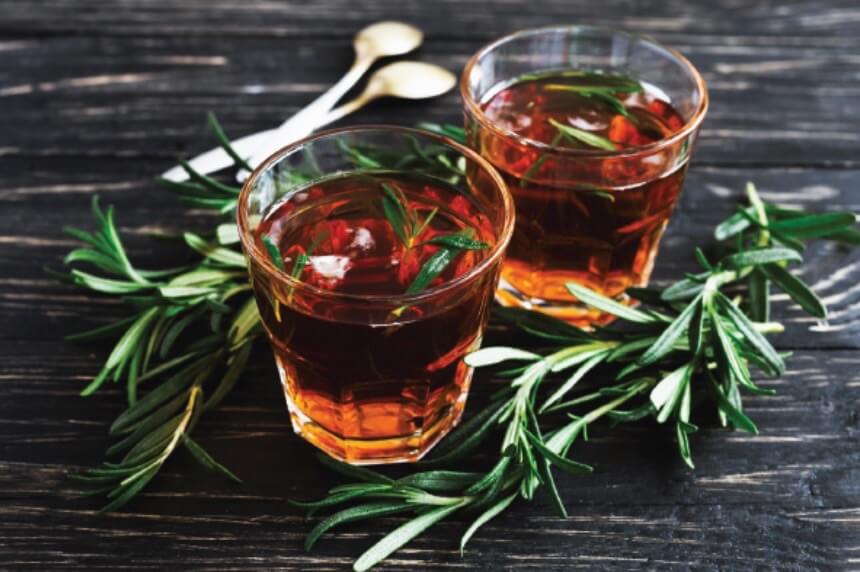
With all the processed foods, inflammation, toxicity, sedentary lifestyles, stressful jobs, constant work, lack of play, and overmedication, of course our bodies are rebelling. And our illnesses are just our bodies’ way of saying, “STOP! I need a break!”
With a change to our diets and lifestyle we can completely transform the way our body interacts and expresses itself. Health is a symptom of your body working. Illness is a symptom of unbalance. How many of us eat a diet of solely organic, local vegetables, fruits, and herbs, exercise and move our bodies on a regular and weekly basis, and sleep seven to nine hours per night, while taking time out to socialize with friends and family, meditate, and make room to play and do what we love? Yes, adults need to play too. If this person exists, they’re a dreamy unicorn, with undeniably good skin, and I want some of their magic.
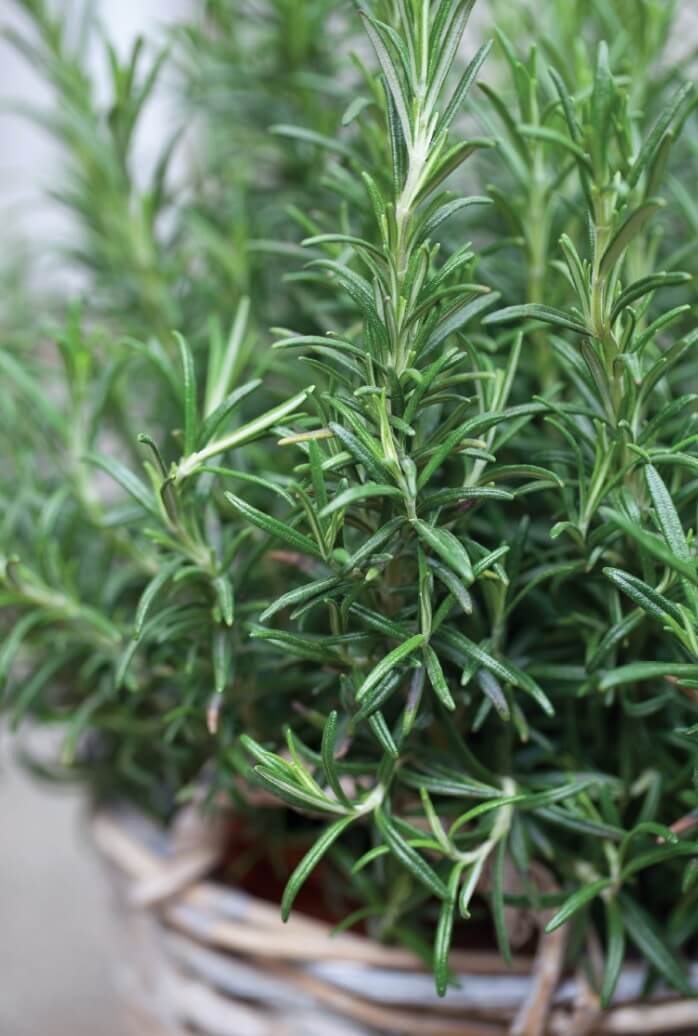
While it may be extremely difficult to live the perfect unicorn lifestyle, there are tricks or hacks we can use to make us more prepared for our modern life, and some of these hacks include herbs. Tinctures, herbal formulas, homemade remedies, and other fun DIY herbal projects are a great way to propel your body back into balance. Herbs have been shown to reduce inflammation, promote blood flow, reduce tumor and cancer growth, lower blood sugar, reduce cholesterol, lower blood pressure, lower risk of heart disease, improve brain function, increase memory, delay the onset of Alzheimer’s, positively change your gene expression, and more!
Plants basically turn you into a badass, superpowered, undercover health ninja. Who’s in? Herbs obtain various chemical compounds as unpronounceable as polysaccharides, saponins, flavonoids, phytosterols, essential oils, micronutrients, antioxidants, thiosulfinates, anti-amyloids, polyphenols, and more. Herbs such as turmeric and ginger have become research darlings, with study after study showing the unbelievable health benefits associated with taking these medicinal plants on a regular basis. Who knew?
Well … herbalists knew.
But now the secret is out, and you are savvy to the immense healing benefits that herbs and plants have to offer. And with this book you will learn to make your own incredible herbal teas, scrubs, and formulas to help make your life a more healthful one. There’s immense research out there confirming the health benefits of herbs and plant medicine, but why wait to use them? So get excited and start planting some amazing houseplants; you’ll not only get fresher air and breathe in less toxins, but you’ll also get a dose of anti-inflammatory, immune-boosting, health-promoting remedies that you can make inside your own home.
Tiếng Việt
Không có gì ngạc nhiên khi tôi yêu cây cối. Chúng là những sinh vật sống đẹp đẽ, bí ẩn, quyến rũ và kỳ diệu, cây cối không chỉ trông đẹp mà còn giúp chữa bệnh! Những cây chữa bệnh nhỏ bé này có thể làm cho người bệnh cảm thấy dễ chịu hơn trong giây lát.Phần lớn các loại thực vật có khả năng chữa bệnh được sử dụng bằng cách ăn hoặc sử dụng trực tiếp trên cơ thể. Những loại cây chữa bệnh có thể làm được rất nhiều điều hơn là chỉ đứng ở góc phòng khách để trang trí căn hộ hiện đại của bạn.
Thuốc thảo dược ngày càng phổ biến trong những năm qua khi ngày càng nhiều người hiểu được tầm quan trọng của việc kiểm soát sức khỏe của họ và sử dụng các phương pháp tự nhiên để chăm sóc phòng ngừa. Thảo dược đã có từ hơn 5.000 năm trước, mọi nền văn hóa đều mang một số kiến thức về thảo dược và y học dân gian, bởi vậy thảo dược không chỉ là một thứ mốt thời thượng. Các loại thảo mộc đã được chứng minh là có tác dụng đáng kinh ngạc đối với cơ thể, bao gồm chống viêm, kháng khuẩn, kháng virus, kháng nấm, ngăn ngừa ung thư, giảm đau, tăng cường đường ruột và các đặc tính chữa bệnh khác. Khi trở thành một phần của thói quen hàng ngày, các loại thảo mộc có thể mang lại những lợi ích đáng kinh ngạc cho tâm trí và cơ thể của bạn.
Là một nhà thảo dược, tôi rất hứng thú với các loại thảo mộc. Vâng, chúng thường là những loại hương liệu rất ngon trong công thức nấu ăn yêu thích của bạn, và chúng là những họa tiết trang trí đẹp mắt cho món ăn. Nhưng với tư cách là một nhà thảo dược, tôi được đào tạo để tìm hiểu sâu hơn về cây Húng Quế (basil plant), cành Hương Thảo (rosemary sprig) và thậm chí cả cây Bồ Công Anh (dandelion) đang phát triển không ngừng trên sân bóng. Và trước khi sử dụng các sản phẩm độc hại tiếp theo của Monsanto, tại sao bạn không dành một chút thời gian để tìm hiểu vị bạc hà thực sự tuyệt vời như thế nào.
Sơ lược về lịch sử của thuốc thảo dược
Thuốc thảo mộc đã xuất hiện trước khi được lịch sử ghi lại, các nền văn hóa Trung Quốc, Babylon, thổ dân Mỹ, Ấn Độ và Ai Cập đã tạo ra các loại thuốc pha chế thảo dược thô từ 3000 năm trước Công nguyên. Và chính các nhà sư trong thời trung cổ đã mang truyền thống thảo dược, trồng các loại dược liệu và phục vụ như các trường y học trong thời đại đó.
Thuốc thảo dược Trung Quốc là hình thức y học lâu đời thứ ba, chỉ sau truyền thống y học Ai Cập và Babylon. Người phát hiện ra danh sách các loại dược liệu lâu đời nhất có thể là vị hoàng đế huyền thoại Shen Nung, Thần Nông Ben Cao Jing (khoảng 3000 năm trước Công nguyên). Được mệnh danh là cha đẻ của nền nông nghiệp Trung Quốc và là thủ lĩnh của gia tộc cổ đại, ông đã thực sự nếm thử hàng trăm, hàng nghìn loại thảo mộc để kiểm tra dược tính của từng loại cây và xác định loại nào an toàn và loại nào độc.
Truyền thống phong phú về thảo dược được tạo ra từ việc quan sát chi tiết thiên nhiên với thử nghiệm và những lần sai lầm, cùng hàng nghìn năm nghiên cứu và các biện pháp khắc phục đã được chứng minh.
Dù là chủ nghĩa thảo dược phương Tây hay phương Đông, người Trung Quốc cổ đại, người Ấn Độ, người Ai Cập, người Babylon, hoặc người Mỹ bản địa, tất cả các truyền thống được truyền từ thế hệ này sang thế hệ khác, từ người chữa bệnh cho người học việc, từ giáo sư cho sinh viên.
Ngày nay có hàng trăm nghìn loài thực vật, con số này vẫn tăng lên hàng năm. Vô số loài thực vật tồn tại trên thế giới mà chúng ta không hề hay biết, và chúng có những đặc tính chữa bệnh vẫn chưa được khám phá. Một số nhà thảo dược học tin rằng các loại thảo dược có thể chữa được mọi căn bệnh tồn tại ở con người.
Trong khi hàng trăm năm trước, con người thường xuyên ăn hàng trăm loài thảo mộc để giữ sức khỏe, ngày nay con số này giảm xuống còn mười đến hai mươi loài. Chúng ta đang bỏ sót các chất dinh dưỡng thiết yếu giúp tăng cường sức khỏe trong chế độ ăn uống và lối sống của chúng ta. Không có gì ngạc nhiên khi có các bệnh mãn tính, cơ thể chúng ta không có các chất cần thiết để hoạt động bình thường. Có bao nhiêu người trong chúng ta đảm bảo rằng ô tô của mình được cung cấp nhiên liệu, dầu phù hợp và được chăm sóc để đảm bảo chúng chạy trơn tru càng lâu càng tốt. Nhiều người trong chúng ta mong muốn cơ thể của mình luôn khỏe mạnh, nhưng lại không có chế độ điều trị, chăm sóc và sử dụng các nguồn dinh dưỡng thích hợp.
Cảm ơn Aspirin, loại thuốc làm từ vỏ cây Liễu!
Các loại thảo mộc có đủ hình dạng, kích cỡ, tên gọi và mùi thơm. Bạn có thể đã nghe nói về Bạc Hà (mint), hoa Oải Hương (Lavender), Hương Thảo (rosemary) và thậm chí cả Bồ Công Anh (dandelion), nhưng bạn đã bao giờ nghe nói về cây Rễ Vàng (rhodiola), cây Nấm Vân Chi (turkey tail), Linh Chi (reishi) hoặc cây Trinh Nữ (chaste) chưa? Vậy còn Sốt Mò (feverfew), Kinh Giới(schisandra), Ngải Cứu (wormwood) thì sao? Tất cả những cái tên độc đáo, lạ lẫm này có thể khiến bạn liên tưởng đến Harry Potter nhưng thực chất lại là những cây thảo dược có tác dụng chữa bệnh vô cùng hiệu quả, có thể được sử dụng để hỗ trợ điều trị nhiều loại bệnh tật. Trên thực tế, nhiều bài thuốc có nguồn gốc từ thực vật và thảo mộc, trong đó phải kể đến aspirin!
Ngành công nghiệp dược phẩm cần biết ơn thiên nhiên vì nhiều loại thuốc mới và các phương thuốc thần kỳ. Trong 25 năm qua, khoảng 70% các loại thuốc mới đến từ thiên nhiên. Bất chấp mọi nỗ lực tạo ra các loại thuốc tổng hợp và nhu cầu tạo ra các sản phẩm cao cấp, mẹ thiên nhiên luôn có những câu trả lời tinh vi nhất cho các vấn đề sức khỏe của chúng ta.
Một trong những loại thuốc không kê đơn của loài người có được là nhờ cây liễu. Bạn có thể đã uống một vài viên thuốc này khi cảm thấy nôn nao, đau đầu hoặc uống hàng ngày để ngăn ngừa cơn đau tim, nhưng thậm chí không nhận ra rằng một viên thuốc giúp bạn có thể chịu đựng được cơn nôn nao lại làm từ vỏ cây. Nghiên cứu gần đây đã chỉ ra rằng aspirin không chỉ có thể ngăn ngừa các cơn đau tim và đột quỵ, mà một nghiên cứu kéo dài hai mươi năm cho thấy rằng nó còn làm giảm nguy cơ ung thư ít nhất 20%.
Việc sử dụng thành phần hoạt tính của aspirin có từ thời người Ai Cập cổ đại, những người đã sử dụng cây này để chữa đau nhức và bác sĩ Hy Lạp vĩ đại Hippocrates đã nói rằng vỏ cây liễu giúp giảm sốt và giảm đau. Nhưng phải đến những năm 1800, các nhà nghiên cứu mới có thể xác định được thành phần hoạt tính trong vỏ cây liễu là axit salicylic. Đó là một nhà hóa học vào những năm 1890, người đã sử dụng dạng aspirin mà chúng ta biết ngày nay. Felix Hoffman làm việc cho Bayer ở Đức và sử dụng aspirin để chữa bệnh thấp khớp của cha mình. Đó là vào năm 1899, Bayer bắt đầu phân phối một loại bột có axit acetylsalicylic cho các bác sĩ để đưa cho bệnh nhân của họ. Không lâu sau đó, loại thuốc này bắt đầu được bày bán trên quầy thuốc.
Nhưng aspirin không phải là loại thuốc duy nhất làm từ thực vật. Ví dụ, Taxol, một trong những loại thuốc điều trị ung thư mạnh nhất trên thị trường, được chiết xuất từ vỏ cây Thủy Tùng Thái Bình Dương, và chất kháng sinh đột phá Penicillin có nguồn gốc từ Nấm Mốc penicillium. Tiếp đến là cây Dừa Cạn từ Madagascar, đã tăng tỷ lệ thuyên giảm bệnh bạch cầu ở trẻ em lên đến 95% vào năm 1997 so với tỷ lệ thuyên giảm 10% vào năm 1960. Chỉ riêng loài cây này đã cứu sống hơn 100.000 người. Ngoài ra còn có thuốc trị sốt rét artemisinin được làm từ cây Ngải của nhà khoa học Trung Quốc Youyou Tu đã đoạt giải Nobel Y học hoặc Sinh lý học năm 2015.
Youyou Tu đã phát hiện ra artemisia như một phương tiện giúp chữa bệnh sốt rét bằng cách đọc các văn bản y học cổ đại của Trung Quốc. Trước khi phát hiện ra, hơn 240.000 hợp chất trên khắp thế giới đã được thử nghiệm, nhưng dường như không có gì phát huy tác dụng. Mãi cho đến khi đọc được văn bản cổ có nguồn gốc từ khoảng năm 400 sau Công nguyên, cô mới phát hiện ra cây Ngải ngọt là một lựa chọn để điều trị bệnh. Nhóm của cô ấy đã thử nghiệm chiết xuất loại thảo mộc này và không có tác dụng gì, đó là cho đến khi cô ấy làm theo công thức chính xác của văn bản cổ xưa ban đầu, đun nóng chiết xuất mà không để nó đạt đến điểm sôi. Sự siêng năng và tính toán trước của cô ấy đã cứu sống hàng triệu người. Và bằng cách đưa trí tuệ cổ đại đến tương lai, cô ấy đã có thể khai thác những gì con người đã biết hàng nghìn năm trước và chuyển nó thành y học hiện đại.
Thiên nhiên đã cung cấp cho chúng ta thuốc kháng sinh như thế nào và tại sao lại có hiện tượng kháng thuốc?
Chủ đề mới nhất khiến mọi người kinh hãi là tình trạng kháng thuốc kháng sinh. Ngày tận thế dường như ngày càng gần hơn khi ngày càng nhiều nhà nghiên cứu tuyên bố rằng chúng ta gần như đi đến vùng chết khi nói đến việc sử dụng kháng sinh. Thây ma sẽ không giết chúng ta, nhưng các bệnh nhiễm trùng sẽ có thể.
Hãy tưởng tượng bạn vô tình cắt phải tay mình trong khi đang cố gắng dùng con dao sắc bén nhất để bóc gói bỏng ngô nóng khó bóc, và chỉ để thấy rằng vết cắt của bạn cần phải khâu. Bạn đến bệnh viện và sợ hãi rằng mình bị nhiễm trùng, không phải lo lắng vì chi phí, mà vì thuốc kháng sinh không còn tác dụng. Bất kỳ vấn đề nhiễm trùng nào cũng có thể gây tử vong. Vâng, điều này nghe có vẻ kịch tính, nhưng đây là con đường mà chúng tôi đang hướng tới, và không ai muốn chết vì gói bỏng cả.
Kể từ khi phát hiện ra penicillin vào năm 1928 từ nấm mốc penicillium, chúng tôi đã phát triển mạnh mẽ và đắm chìm trong những kỳ tích huy hoàng của thuốc kháng sinh. Trong gần một trăm năm, chúng ta đã không phải lo lắng về các bệnh nhiễm trùng như sốt thấp khớp, viêm phổi hoặc bệnh lậu. Nhưng, rất tiếc, vào năm 2016, Tổ chức Y tế Thế giới cho biết rằng bệnh lậu sẽ sớm không thể điều trị được. Và đây chỉ là một trong số rất nhiều bệnh nhiễm trùng và bệnh sẽ trở nên kháng thuốc điều trị. Hàng năm, 63.000 bệnh nhân ở Mỹ và 25.000 bệnh nhân ở Liên minh châu Âu tử vong vì các bệnh nhiễm trùng kháng kháng sinh, mắc phải tại bệnh viện và con số này đang ngày càng tăng lên. Đánh giá toàn cầu về tình trạng kháng thuốc kháng sinh đã chỉ ra rằng nếu chúng ta không thể tìm ra giải pháp thay thế để giải quyết các bệnh nhiễm trùng kháng thuốc này, 10 triệu người sẽ chết vào năm 2050 do nhiễm trùng kháng thuốc kháng sinh.
Nhưng hiện tượng kháng thuốc đã xảy ra như thế nào? Đó là hệ quả của việc lạm dụng thuốc hoặc từ chối uống thuốc. Alexander Fleming, người đã phát hiện ra penicillin, đã cảnh báo chúng ta về vấn đề này khi biết quá rõ tác hại của việc lạm dụng loại thuốc kỳ diệu này vào những năm 1930. Lý do rất đơn giản. Vi khuẩn trải qua quá trình chọn lọc tự nhiên giống như con người. Những con sống sót thích nghi và nhân lên, và do đó gen của chúng là gen được truyền qua nhiều thế hệ.
Mỗi khi bạn dùng thuốc kháng sinh, không chỉ những vi khuẩn gây bệnh bị tiêu diệt mà còn là những vi khuẩn tốt bảo vệ cơ thể bạn khỏi bị nhiễm trùng. Nhưng không phải mọi vi khuẩn đều thực sự bị tiêu diệt, và những vi khuẩn này được gọi là vi khuẩn kháng thuốc. Nếu không có sự bảo vệ của lợi khuẩn tốt, vi khuẩn kháng thuốc có thể phát triển và sinh sôi, chuyển khả năng kháng thuốc của chúng sang các vi khuẩn khác gây ra nhiều vấn đề và thiệt hại hơn.
Mỗi khi ai đó dùng thuốc kháng sinh, vi khuẩn kháng thuốc ngày càng nhiều và phát triển mạnh. Và càng nhiều người dùng kháng sinh, vi khuẩn càng có khả năng đột biến nhanh hơn, chưa kể bạn cũng đang ngày càng giết chết nhiều lợi khuẩn của mình, điều này có thể dẫn đến các vấn đề khác như IBS, trầm cảm và một loạt bệnh mãn tính. Nhưng vấn đề đó sẽ được đề cập trong một cuốn sách khác.
Nhu cầu sử dụng thuốc kháng sinh liên tục khi bị nhiễm trùng hoặc bệnh tật sẽ tạo ra một trong những cuộc khủng hoảng sức khỏe lớn nhất trong thời đại của chúng ta. Ví dụ, rất có thể bạn bị đau họng KHÔNG phải do liên cầu khuẩn. Tuy nhiên, 70% những người đi khám vì đau họng sẽ nhận được thuốc kháng sinh mặc dù chỉ 20% trong số họ thực sự có vi khuẩn Streptococcus pyogenes. Đúng vậy, 80% những người dùng thuốc kháng sinh chữa đau họng không cần dùng thuốc kháng sinh. Đây là một trong những lý do khiến chúng ta rơi vào khủng hoảng: lạm dụng quá mức và thiếu sự giám sát.
Viêm họng không phải là lý do duy nhất khiến chúng ta gặp phải tình trạng kháng thuốc kháng sinh, việc chúng ta lạm dụng xà phòng diệt khuẩn, nước rửa tay, tắm nhiều lần trong ngày, sử dụng thuốc kháng sinh cho gia súc ăn để chúng béo và ngon ngọt, và sự thiếu tin tưởng về đất đã tạo điều kiện cho vi khuẩn đột biến và sinh sôi nảy nở, tạo ra các chủng vi khuẩn lớn hơn, xấu hơn và kháng bệnh.
Đừng hoảng sợ, thực vật có thể cứu mạng bạn
Với cuộc khủng hoảng kháng sinh sắp xảy ra đe dọa cuộc sống của chúng ta, các nhà nghiên cứu đã bắt đầu nhận ra rằng có thể cách để giải quyết vấn đề này không có trong phòng thí nghiệm định với các công thức tổng hợp, mà là con đường tự nhiên. Trên thực tế, đó chính là những gì một số nhà nghiên cứu đang làm. Tương lai của y học phương Tây trên thực tế có thể là thuốc thảo dược cổ đại.
Một số nhà nghiên cứu, bao gồm Tiến sĩ Cassandra Quave, một nhà dân tộc học từ Đại học Emory, đang tìm cách sử dụng kiến thức về thực vật từ các nền văn hóa cổ đại để tạo ra các loại thuốc mới cho nhu cầu hiện tại của chúng ta. Thuốc y học cổ truyền thực vật là một kho tàng kiến thức và kinh nghiệm, với hàng nghìn năm sử dụng, thử nghiệm, những sai sót, và những thành công được ghi nhận. Tuy nhiên, tìm đến các loại thuốc thảo dược và các truyền thống cổ xưa không phải lúc nào cũng là lựa chọn thời thượng.
Từ những năm 1970, ngành dược quan tâm nhiều hơn đến việc phát triển thuốc tổng hợp, với hy vọng đây sẽ là tương lai của y học. Việc tạo ra một thứ gì đó trong phòng thí nghiệm cũng dễ dàng hơn so với việc giải mã vấn đề hóa học phức tạp trong tự nhiên. Theo lời của Simon Gibbons, một nhà hóa thực vật dược học tại Đại học College London, “Thiên nhiên là một nhà hóa học xuất sắc. Nó đã làm điều này lâu hơn rất nhiều so với chúng ta hoặc thậm chí các loài động vật có vú đã từng tồn tại. Thực vật đã làm điều này trong khoảng 400 triệu năm”. Có thể bạn không tin rằng hóa học vô cùng phức tạp liên quan đến việc giữ cho thực vật sống sót có khả năng trở thành một loại thuốc mạnh cho con người. Bởi vì thực vật sống trên mặt đất, chúng không thể chạy hoặc tấn công những kẻ săn mồi. Thay vào đó, chúng tạo ra hóa học phức tạp để đầu độc. Độc ở thực vật là loại thuốc mạnh đối với con người.
Thật dễ dàng để quên rằng thực vật là nguồn thuốc chính của chúng ta trong hàng nghìn năm. Hiện tại, chúng ta đã trở nên xa rời tự nhiên đến mức bạn có thể bị gọi là lang băm khi cố gắng chữa đau đầu bằng các loại thảo mộc. Nếu không có thảo dược trong một viên thuốc, bạn mới bị điên! Trong khi phần lớn các loại thuốc hiện đại có nguồn gốc từ thực vật, chỉ một phần nhỏ trong số khoảng năm mươi nghìn loại dược liệu và thực vật được sử dụng trong y học cổ truyền đã được nghiên cứu. Điều đó có nghĩa là rất nhiều loại thảo mộc tiềm năng đang bị lãng phí, bao gồm các loài thực vật, thảo mộc và các loài thậm chí không được phát hiện trong rừng nhiệt đới và các cảnh quan tự nhiên khác.
Gần đây, Tiến sĩ Cassandra Quave đã phát hiện ra rằng những bác sĩ ở miền nam nước Ý đang sử dụng quả quất đen để chữa lành mụn nhọt và vết bỏng. Những quả mọng này có thể giúp ngăn chặn vi khuẩn tụ cầu có trong áp xe hình thành màng sinh học, cho phép vi khuẩn như Staphlococcus aureus kháng methicillin tự bám vào các thiết bị y tế và mô sống. Điều này sẽ khiến những vi khuẩn này đột biến. Nếu có thể giữ cho vi khuẩn không phát triển và đột biến, chúng ta có thể khiến chúng dễ bị tổn thương hơn và do đó bệnh dễ điều trị hơn. Đây là lý do tại sao các loại thuốc tự nhiên rất quan trọng và độc đáo. Trong khi con người đang tìm cách tiêu diệt những chủng vi khuẩn kháng thuốc kháng sinh này, thiên nhiên có thể giúp chúng ta nhìn nhận vấn đề theo những hướng khác nhau. Quả mọng có thể không giết được tụ cầu khuẩn, nhưng chúng đã ngăn không cho nó lây lan, đó chính xác là những gì chúng ta cần để ngăn chặn sự kháng thuốc trong tương lai. Thiên nhiên luôn biết cách tự cân bằng.
Tuy nhiên, vẫn còn rất nhiều rào cản phải vượt qua khi sử dụng các loại thảo mộc thiên nhiên như một phương thuốc. Nhiều hãng dược phẩm không quan tâm đến hoặc thờ ơ với việc nghiên cứu các loại thuốc thực vật do tính phức tạp và lợi nhuận kém hấp dẫn. Nếu bạn sản xuất một loại dược phẩm có nguồn gốc từ một phương thuốc thảo dược truyền thống, một phần trăm số tiền thu được phải được chuyển cho những người ban đầu tạo ra công thức thảo dược, có nghĩa là các quốc gia có quyền chủ quyền riêng đối với truyền thống y học của họ. Vì vậy, dù các loại thuốc làm từ thực vật có những lợi ích đáng kinh ngạc, nhưng sự thờ ơ hiện tại đối với những chất cứu sinh tiềm năng này sẽ phải thay đổi để chúng ta có thể gặt hái được những lợi ích đầy đủ.
Phá rừng nhiệt đới là hủy hoại tủ thuốc của chúng ta
Với tất cả những lợi ích y tế tiềm năng từ sự đa dạng sinh học trên trái đất rộng lớn, chúng ta cũng phải nói về việc biến đổi khí hậu và nạn phá rừng đang ảnh hưởng đến việc tìm kiếm các loại thuốc mới như thế nào. Việc phá rừng nhiệt đới, rừng mưa, rừng Amazon đang góp phần xóa sổ các loại thuốc có thể cứu sống con người. Con người không thể rũ bỏ trách nhiệm trong cuộc khủng hoảng này.
Ví dụ, hòn đảo Madagascar đã cho chúng ta một loại cây Dừa Cạn cứu mạng mà chúng ta đã nói trước đó về khả năng làm tăng tỷ lệ thuyên giảm bệnh bạch cầu ở trẻ em từ chỉ 10% trong những năm 1960 lên hơn 95% ngày nay. Tuy nhiên, loài thực vật thần kỳ này đang bị đe dọa. Madagascar sở hữu sự đa dạng sinh học đáng kinh ngạc, khoảng 250.000 loài, trong đó có 75% số loài không được tìm thấy ở bất cứ nơi nào khác trên trái đất! Tuy nhiên, 90% các khu rừng ở Madagasca đã bị tàn phá và các loại đất phong phú cũng bị cuốn trôi hoàn toàn. Thật khó để biết có bao nhiêu phương pháp chữa bệnh có khả năng cứu sống con người, thay đổi y học, từng đoạt giải Nobel đã hoàn toàn biến mất.
Tệ hơn nữa, chúng ta không biết mình đang mất gì, hay chính xác là mất bao nhiêu. Tuy nhiên, chúng ta có thể ước tính tỷ lệ tuyệt chủng vào năm 2100 là khoảng 50% trong số tất cả các loài động vật, thực vật và động vật rừng nhiệt đới. Các nhà khoa học mới chỉ nghiên cứu khoảng 1% các loài thực vật được tìm thấy trong rừng nhiệt đới, nhưng hơn 140 loài trong số chúng đang bị tuyệt chủng mỗi ngày.
Mỹ Latinh đang mất hơn 4,3 triệu ha rừng nhiệt đới mỗi năm. Indonesia đang chứng kiến hơn 80% diện tích rừng nhiệt đới bị mất, với hơn 28 triệu ha bị phá hủy mỗi năm. Nhưng mọi chuyện vẫn chưa dừng lại: 70% rừng nhiệt đới ở Lào, Campuchia và Việt Nam đang bị tàn phá và người ta ước tính rằng Indonesia sẽ mất tất cả các khu rừng nhiệt đới từ năm 2020 đến năm 2025. Indonesia có một trong những khu rừng nhiệt đới lâu đời nhất và đa dạng nhất, điều này có nghĩa là chúng ta có khả năng sẽ mất đi một số loại thuốc thú vị và hiệu quả nhất trên thế giới.
Và chúng ta đang thấy sự gia tăng các bệnh mới, đặc biệt là bệnh truyền nhiễm do nạn phá rừng ngày càng gia tăng, những loại bệnh này có khả năng được chữa khỏi bằng chính những loài thực vật mà chúng ta đang tận diệt. Khi phá hủy rừng và hệ sinh thái, chúng ta đang phá hủy ngôi nhà của nhiều loài thực vật, động vật và côn trùng. Mất đi ngôi nhà thiên nhiên, nhiều loài côn trùng và động vật này lây lan, mang theo nhiều loại bệnh truyền nhiễm. Một trái cây do con dơi bị nhiễm bệnh ăn một phần có thể dẫn đến bùng phát dịch bệnh ở vật nuôi, và nhanh chóng lây sang người. Chẳng hạn như sự bùng phát của Ebola, AIDS, Lyme, West Nile và SARS.
Bền vững là một từ mà bạn có thể đã nghe nói khắp nơi, nhưng trên thực tế, nếu chúng ta muốn bảo tồn tương lai của y học, chúng ta phải đưa ra các giải pháp bền vững. Việc chặt phá rừng lúc này có thể mang lại lợi nhuận, nhưng trong tương lai nó sẽ chỉ gây hại cho lợi ích chung. May mắn thay, sự quan tâm đến các sản phẩm tự nhiên và hữu cơ, thực hành bền vững và thuốc thực vật sẽ chỉ tạo áp lực cho các ngành công nghiệp khác nhau phải thay đổi phương thức và để dược phẩm cung cấp nhiều loại thuốc đa dạng sinh học hơn. Khi ngành công nghiệp dược phẩm tham gia nhiều hơn, hy vọng rằng nền kinh tế và cơ hội việc làm sẽ tăng lên, điều này sẽ chỉ giúp duy trì những môi trường như vậy. Nếu bạn yêu thích thực vật, bạn nên ủng hộ việc bảo tồn đa dạng sinh học. Biết đâu, cây nhà yêu thích tiếp theo của bạn có thể là loài thảo mộc chưa được phát hiện.
Tôi muốn toàn bộ cây trồng và không có gì ngoài cây trồng
Trong khi tập trung vào tiềm năng dược phẩm trong việc nghiên cứu thực vật và thảo mộc, chúng tôi chưa nói nhiều về giá trị nội tại của bản thân thực vật. Chúng ta đang sống trong một nền văn hóa đơn giản hóa, loại bỏ những phần chúng ta nghĩ là vật chất, nghiên cứu từng thành phần riêng biệt, sau đó được sản xuất thành dược phẩm. Và trong khi chúng ta tạo ra một số loại thuốc tuyệt vời từ cây trồng, vẫn có những vấn đề liên quan.
Việc chọn ra những phần chúng ta cho là quan trọng và hữu ích nhất trong khi loại bỏ phần còn lại là một hành động đáng cảnh báo. Chúng ta đang quên rằng hầu hết mọi thứ trong tự nhiên đều có tác dụng đồng bộ với nhau. Đã đến lúc nói về tác dụng tổng thể của tất cả các phần trên cây thảo dược.
Khi xem xét các thành phần hóa học của thực vật, nhiều nhà hóa học hoặc nhà nghiên cứu sẽ phân lập “thành phần hoạt tính” và tạo ra một loại thuốc. Tuy nhiên, hậu quả của việc làm này có thể gây bất lợi và thường bị bỏ qua. Nhiều khi chúng ta nghĩ rằng chỉ có một hoạt chất hoạt động đơn lẻ để tạo ra thứ gì đó tốt hơn, tuy nhiên, bản chất không phải vậy. Thông thường, tất cả các bộ phận của cây trồng kết hợp cùng nhau để đạt được hiệu quả cao nhất. Cách tiếp cận tổng thể này đúng đắn hơn cách tiếp cận đơn lẻ từng bộ phận.
Thực vật tiến hóa và có chứa các chất hoạt động cùng nhau. Hóa chất thực vật rất phức tạp, và không có gì trong thực vật là sai sót bởi chúng đã tiến hóa hàng trăm nghìn năm để có hình dạng hiện tại. Chúng ta có thể đang bỏ lỡ những tiến bộ vượt bậc do thiếu hiểu biết khi nói đến toàn bộ thực vật và thảo mộc. Khi một cây trồng cho thấy lợi ích đối với con người, không chỉ một bộ phận trên cây đem lại lợi ích mà mọi bộ phận trên cây đều đóng góp vào lợi ích toàn diện mà chúng ta nhận được.
Các tập đoàn lớn không chỉ được điều hành bởi Giám đốc điều hành, họ có hàng ngàn nhân viên làm việc cùng nhau để điều hành một công ty thành công. Và chính phủ Hoa Kỳ không chỉ được vận hành bởi tổng thống, mà còn bởi Thượng viện, Quốc hội, cơ quan hành pháp và hàng nghìn nhân viên chính phủ, những người giữ cho hệ thống hoạt động. Chỉ vì tổng thống có vẻ quan trọng hơn một người làm việc cho Cơ quan Bảo vệ Môi trường không có nghĩa là ông ấy hoặc bà ấy một mình tạo ra chính phủ. Vậy tại sao chúng ta lại nghĩ rằng một thành phần trong cây là nguồn mang lại lợi ích đầy đủ?
Thay vì chỉ sử dụng những gì chúng ta nghĩ là thành phần hoạt tính, đã đến lúc nghiên cứu tất cả các hợp chất trong cây và thực sự hiểu cách tất cả các hợp chất tương tác với nhau. Và trong khi đây có vẻ là cách tiếp cận phù hợp, có một số phản ứng từ ngành dược phẩm. Thứ nhất, việc nghiên cứu chỉ một hợp chất đơn lẻ sẽ dễ dàng hơn so với việc nghiên cứu nhiều hợp chất và việc chuẩn hóa một hợp chất đơn lẻ thành một loại thuốc cũng dễ dàng hơn. Thứ hai, sản xuất các chất phân lập mang lại nhiều lợi nhuận hơn cho các công ty dược phẩm. Những công ty này có thể được cấp bằng sáng chế cho các hợp chất và phân tử đơn lẻ, điều này có thể cho phép họ thu được lợi nhuận lên tới hàng tỷ đô la. Tuy nhiên, sử dụng toàn bộ cây trồng không mang lại lợi nhuận như vậy.
Sử dụng toàn bộ các hợp chất thực vật cũng mang lại một cách tiếp cận an toàn hơn. Ví dụ, hãy xem xét cây coca. Chúng ta có thể biết và nhận ra loài cây này vì nó tạo ra chất cocaine cô lập ma túy có hại, nhưng điều bạn có thể không biết là lá coca là một trong những bộ phận có lợi nhất. Người da đỏ Andean sử dụng lá coca nhiều hơn bất kỳ loại thuốc nào khác, đặc trị táo bón và tiêu chảy. Khi bạn nhìn vào các thành phần hóa học của cây coca, bạn thấy có mười bốn ancaloit, với ancaloit cocain có số lượng lớn nhất. Mọi người có thể biết rằng cocaine kích thích đường tiêu hóa và làm cho đường ruột làm việc hiệu quả hơn, tôi biết điều này từ nghiên cứu, nhưng khi bạn dùng cả cây với mười bốn loại alkaloid khác, nó có thể kích thích ruột hoặc ức chế ruột, tùy thuộc vào những gì cơ thể bạn cần. Điều đó thật tuyệt vời làm sao, một cây có thể thay đổi hướng hoạt động của nó tùy thuộc vào nhu cầu cụ thể của bạn là gì. Nhưng khi bạn tách cocaine alkaloid từ lá coca, bạn sẽ nhận được một loại thuốc gây nghiện khiến người ta cảm thấy hoang tưởng, thù địch, tức giận, lo lắng và có thể dẫn đến nhiều hậu quả, bao gồm đau tim, tổn thương vĩnh viễn các mạch máu ở tim và não, sâu răng, suy dinh dưỡng, rối loạn tâm thần và trầm cảm.
Ý tưởng sử dụng toàn bộ thay vì các bộ phận của cây thảo dược không chỉ dừng lại ở các cây đơn lẻ mà còn cả các công thức thảo dược. Ví dụ, kết hợp hai hoặc nhiều loại thảo mộc với nhau để có được phản ứng tổng hợp. Phương pháp này có tiềm năng đối với các công thức thảo dược truyền thống để điều trị các bệnh mãn tính, nhưng lại không có tiềm năng lợi nhuận.
Không có loại thảo mộc nào có thể chữa mọi loại bệnh, tuy nhiên, khi nói đến điều trị bệnh, điều quan trọng là phải xem xét nhiều cách tiếp cận khác nhau chứ không chỉ những cách dễ dàng và mang lại nhiều lợi nhuận hơn. Chúng ta có thể bỏ lỡ một số đột phá thú vị nhất về y học bởi vì chúng ta quyết định đi theo con đường dễ dàng hơn.
Các loại thảo mộc xứng đáng được tin cậy sử dụng
Các biện pháp chữa bệnh bằng thảo dược không được công bố không chỉ là gia vị hoặc thêm hương vị cho món ăn, những chất này thay đổi DNA, tăng cường miễn dịch, chống viêm, giảm cholesterol và huyết áp, giảm lo lắng, thích ứng với căng thẳng, bồi bổ não, tăng cường trí nhớ, chống ung thư và ngăn ngừa bệnh tật.
Với tất cả các loại thực phẩm chế biến sẵn, tình trạng viêm nhiễm, nhiễm độc, lối sống ít vận động, công việc căng thẳng, làm việc liên tục, thiếu vui chơi và làm việc quá sức, tất nhiên cơ thể chúng ta đang gặp phải nhiều vấn đề. Và bệnh tật là dấu hiệu cho thấy rằng chúng ta cần nghỉ ngơi.
Với việc thay đổi chế độ ăn uống và lối sống, chúng ta hoàn toàn có thể thay đổi cách cơ thể tương tác và thể hiện bản thân. Sức khỏe là biểu hiện phản ánh quá trình hoạt động của cơ thể. Bệnh tật là một triệu chứng của sự mất thăng bằng. Có bao nhiêu người trong chúng ta ăn theo chế độ ăn hoàn toàn hữu cơ, rau, trái cây và thảo mộc địa phương, tập thể dục, vận động thường xuyên hàng tuần và ngủ từ bảy đến chín giờ mỗi đêm, trong khi dành thời gian ra ngoài để giao lưu với bạn bè và gia đình, thiền, và dành thời gian để chơi và làm những gì chúng ta yêu thích? Tất nhiên người lớn cũng cần chơi, nhưng nếu có những người như vậy, họ là những trường hợp rất hiếm hoi và có làn da đẹp.
Mặc dù có thể cực kỳ khó khăn để sống theo một lối sống hoàn hảo, nhưng có những thủ thuật mà chúng ta có thể sử dụng để chuẩn bị tốt hơn cho cuộc sống hiện đại của mình và một trong số những thủ thuật này bao gồm các loại thảo mộc. Thuốc, công thức thảo dược, phương pháp tự chế và các dự án thảo dược tự làm thú vị khác là một cách tuyệt vời để thúc đẩy cơ thể bạn trở lại trạng thái cân bằng. Các loại thảo mộc đã được chứng minh là có tác dụng giảm viêm, thúc đẩy lưu lượng máu, giảm sự phát triển của khối u và ung thư, giảm lượng đường trong máu, giảm cholesterol, giảm huyết áp, giảm nguy cơ bệnh tim, cải thiện chức năng não, tăng trí nhớ, trì hoãn sự khởi phát của bệnh Alzheimer, thay đổi tích cực biểu hiện gen của bạn và hơn thế nữa!
Về cơ bản, thực vật giúp bạn trở thành một người khỏe mạnh. Các loại thảo mộc có các hợp chất hóa học khác nhau khó phát hiện như polysaccharid, saponin, flavonoid, phytosterol, tinh dầu, vi chất dinh dưỡng, chất chống oxy hóa, thiosulfinat, chất chống amyloid, polyphenol, v.v. Các loại thảo mộc như Nghệ (turmeric) và Gừng (ginger) đã trở thành các loại thảo mộc yêu thích của các nhà nghiên cứu, rất nhiều nghiên cứu cho thấy những lợi ích sức khỏe không ngờ tới khi dùng những cây thuốc này một cách thường xuyên.
Nhưng bây giờ thì bạn đã biết những lợi ích chữa bệnh to lớn mà các loại thảo mộc và thực vật mang lại. Và với cuốn sách này, bạn sẽ học cách tự làm các loại trà thảo mộc, tẩy tế bào chết và những công thức tuyệt vời để giúp cuộc sống của bạn trở nên lành mạnh hơn. Có rất nhiều nghiên cứu xác nhận những lợi ích sức khỏe của các loại thảo mộc và thuốc thực vật, nhưng tại bạn lại e ngại sử dụng chúng? Hãy hào hứng và bắt đầu trồng một số cây trồng trong nhà tuyệt vời, bạn không chỉ sẽ nhận được không khí trong lành hơn mà còn nhận được một liều thuốc chống viêm, tăng cường miễn dịch, tăng cường sức khỏe mà bạn có thể tự làm trong nhà của mình.
